Blogs

Read the latest telecom industry blogs.

How AI Assistants Depend on High-Speed Internet

How AI Assistants Depend on High-Speed Internet?

How AI Assistants Depend on High-Speed Internet (And What You Actually Need for Smooth Performance) AI assistants feel magical when they respond instantly and frustrating when they lag, freeze, or fail. What most users don’t realise is that the intelligence isn’t inside the app or device. It lives in powerful cloud servers run by companies like OpenAI, Google, Microsoft, and Amazon.Every question you ask travels across the internet, gets processed remotely, and returns as a response — often in seconds. If your connection is slow or unstable, even the most advanced AI will feel sluggish or unreliable.This guide explains why high-speed internet is essential for AI assistants, how much speed you really need, and how to optimize your connection for
Internet Requirements for Small Businesses in 2026

Internet Requirements for Small Businesses in 2026: Speed & Setup Guide

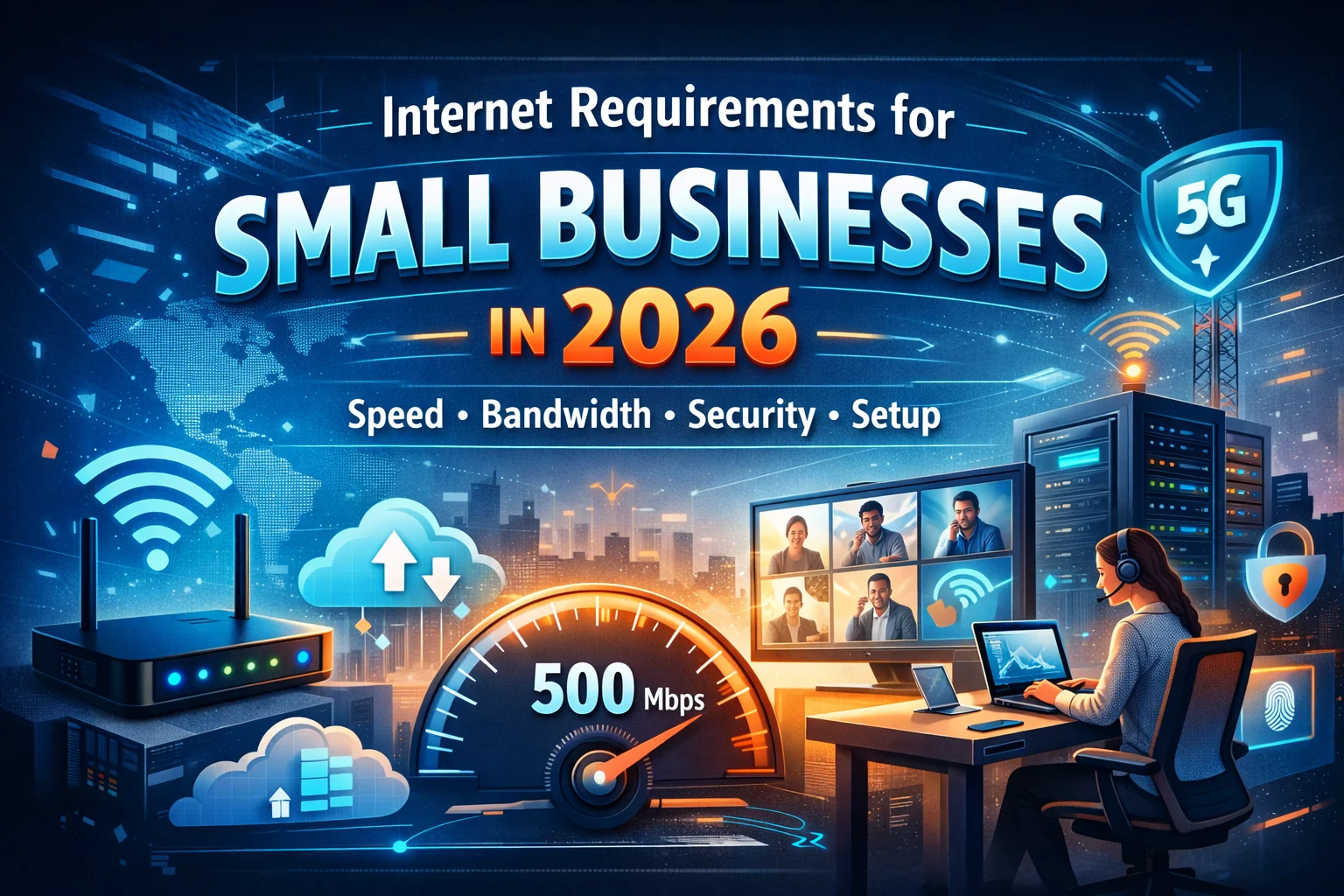
Internet Requirements for Small Businesses in 2026 Reliable internet connectivity is now a core operational requirement for small businesses. In 2026, companies depend on fast, stable, and secure internet for everything from communication and payments to cloud computing and customer service. Understanding the internet requirements for small business operations helps organisations maintain productivity, support digital tools, and scale efficiently. The internet requirements for small businesses in 2026 typically include speeds of at least 100–500 Mbps, high bandwidth for multiple users, low latency for real-time applications, strong reliability, and secure networking. Businesses relying on cloud tools, video conferencing, and online transactions may require 500 Mbps to 1 Gbps for optimal performance.  Why High-Quality Internet Is Essential for Businesses Modern business environments

What Is Mesh WiFi and How It Works

What Is Mesh WiFi? How It Works, Benefits & Setup Guide (2026)

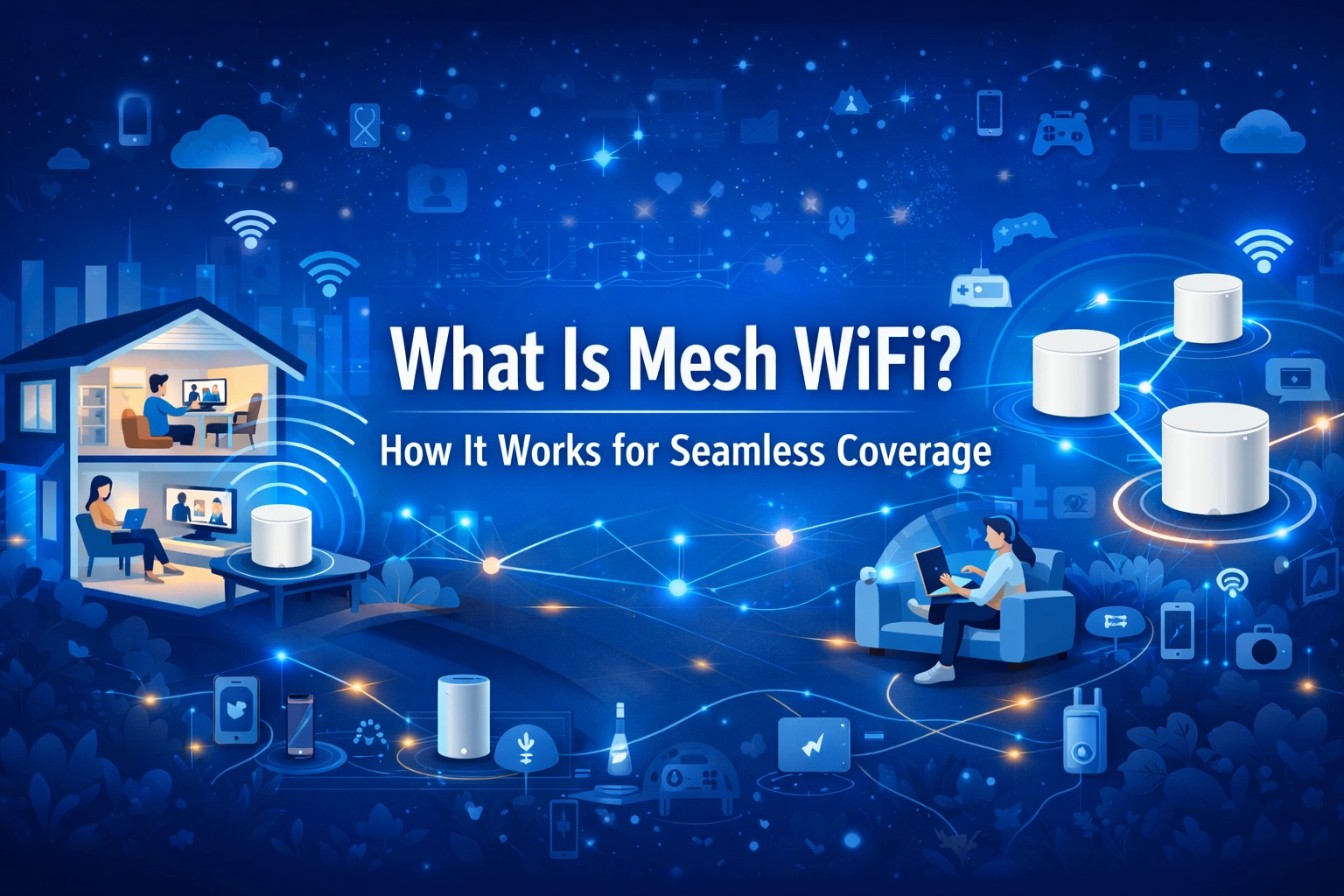
What Is Mesh WiFi & How It Works: The Complete Guide for Faster, Seamless Coverage Slow internet in one room and strong signals in another is a common problem in modern homes. As device usage increases and homes get larger, traditional WiFi routers struggle to deliver consistent coverage. This is where mesh WiFi comes in. In this guide, you’ll learn what mesh WiFi is, how it works, when you need it, and why it’s better than WiFi extenders or single routers. What Is Mesh WiFi? Mesh WiFi is a wireless networking system that uses multiple interconnected nodes to create a single, seamless WiFi network across your home or office. Unlike traditional routers that broadcast from one point, mesh WiFi spreads

Symmetrical Internet Speed

What Is Symmetrical Internet Speed and Why Does It Matter?

What Is Symmetrical Internet Speed and Why Does It Matter Today If you’ve ever joined a video call where you can hear everyone clearly, but they can’t hear you, or tried uploading a large file only to watch the progress bar crawl, you’ve already experienced why internet speed is more than just “download Mbps.”This is where symmetrical internet speed becomes relevant and increasingly important in today’s connected world.In this guide, I’ll explain what symmetrical internet speed actually means, how it works in real life, and why it matters far more today than it did a few years ago. What Is Symmetrical Internet Speed? Symmetrical internet speed means your upload speed and download speed are equal.For example: 100 Mbps download and

Dedicated Internet vs Shared Internet: What’s the Real Difference

Dedicated Internet vs Shared Internet: What’s the Real Difference?

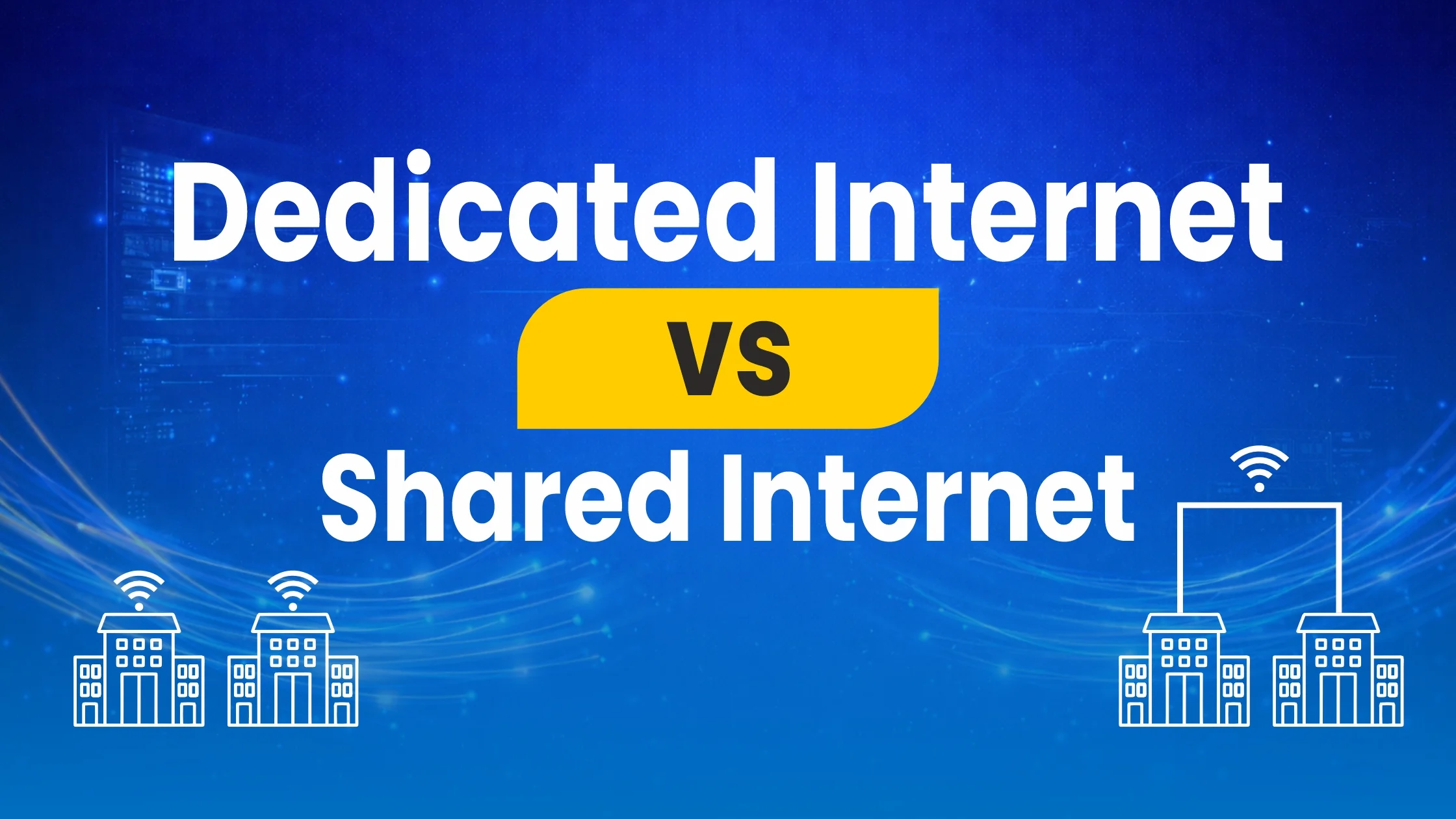
Dedicated Internet vs Shared Internet: What’s the Real Difference? When choosing an internet connection, whether for a home, startup, or large enterprise, you’ll often come across two terms: dedicated internet and shared internet. On the surface, both promise connectivity, but in real-world usage, the experience, reliability, and performance can be dramatically different. This article breaks down the real difference between Dedicated Internet vs Shared Internet, explains how each works, who should use which, and helps you make a confident, future-ready decision, without jargon or sales talk. What Is a Dedicated Internet Connection? A dedicated internet connection provides exclusive bandwidth to a single user or organization. The speed you purchase is reserved only for you and is not shared with anyone

future technologies and internet demand

How Future Technologies Will Increase Internet Demand?

How Future Technologies Will Increase Internet Demand The internet is no longer just a tool for browsing websites or sending emails. It has become the backbone of modern life. As future technologies evolve, future technologies and internet demand will grow together, faster, deeper, and more critically than ever before.From smart homes and autonomous systems to AI-driven services and smart cities, the next decade will place unprecedented pressure on networks. This article explains why high-speed internet demand is rising, how emerging technologies drive that demand, and what it means for users, businesses, and infrastructure providers. The Big Shift: Why Internet Demand Is Growing Faster Than Ever In the past, internet usage was mostly one-way and passive—reading content, downloading files, or watching

smart homes and high speed internet

How Smart Homes Depend on High-Speed & Stable Internet

How Smart Homes Depend on High-Speed & Stable Internet Smart homes are no longer a futuristic concept; they are a reality. From voice-controlled lights and smart TVs to security cameras, smart speakers, and automated appliances, modern homes are becoming deeply connected ecosystems. At the center of this ecosystem lies one critical foundation: high-speed and stable internet. Without reliable connectivity, even the most advanced smart devices fail to deliver convenience, safety, and efficiency. This article explains why smart homes rely on fast and stable internet, how various devices utilize bandwidth, common connectivity challenges, and what homeowners should consider when selecting the right internet connection. What Is a Smart Home? A smart home uses internet-connected devices to automate, monitor, and control household

FTTH vs Triditional Internet

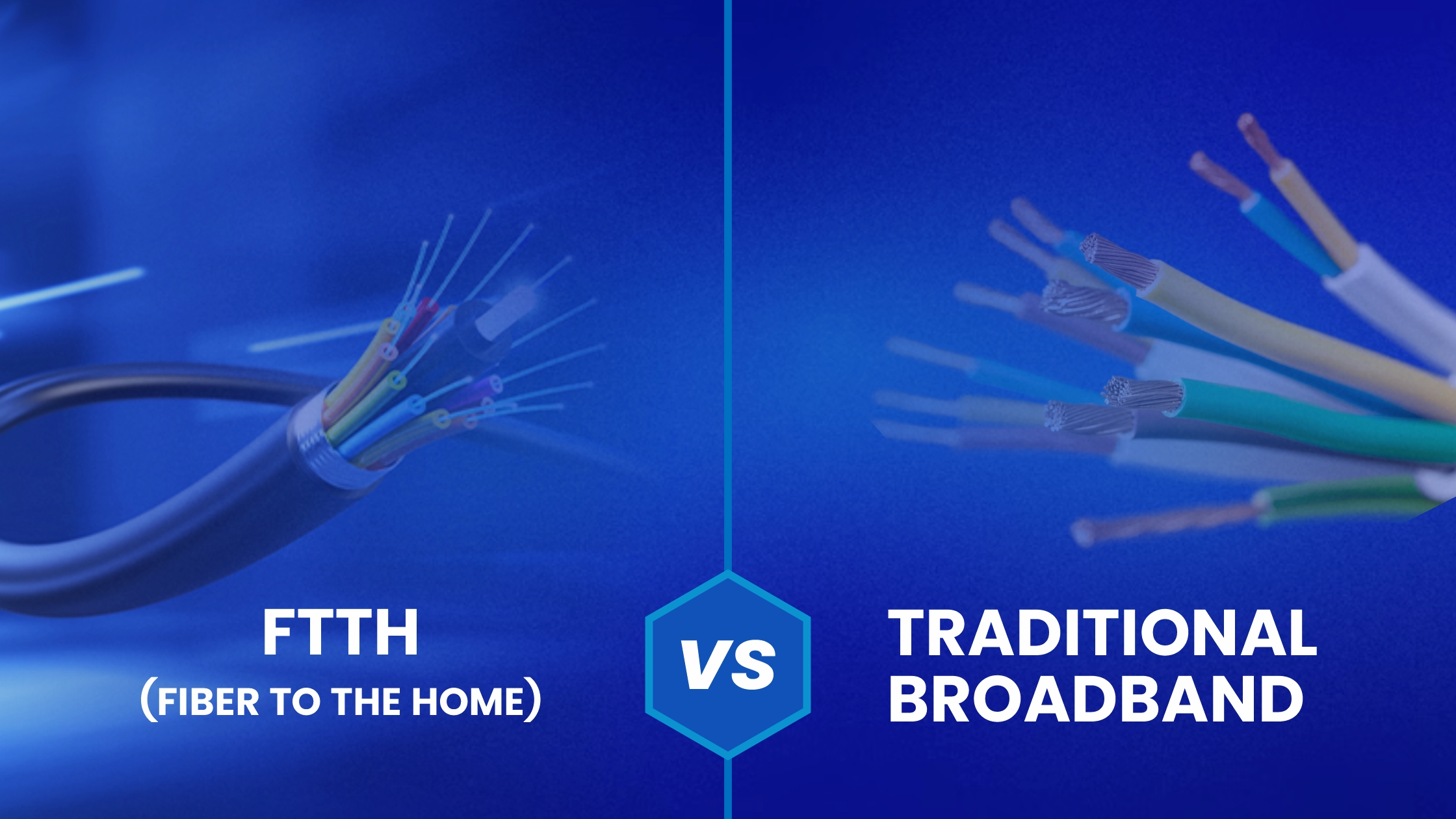
FTTH vs Traditional Broadband: Why Fiber Is the Future of Internet

FTTH vs Traditional Broadband: Why Fiber Is the Future of Internet The way we use the internet has changed dramatically. From HD streaming and online gaming to work-from-home and smart homes, our internet connection now carries far more responsibility than ever before. This has led many users to compare FTTH vs Traditional Broadband and ask an important question: Which technology is truly future-proof? In this article, we’ll break down the real differences between FTTH and traditional broadband, explain how each works, and clearly show why fiber internet is becoming the preferred choice for modern users. What Is Traditional Broadband? Traditional broadband refers to older internet technologies that deliver data using copper-based infrastructure, such as DSL, ADSL, VDSL, and cable broadband.

You might also like

2.4 GHz vs 5 GHz WiFi: Which Band Should You Use?

WiFi 6 vs WiFi 5: Is Upgrading Your Router Worth It?

Why Is My WiFi Slow at Night? Peak-Hour Congestion Explained